Flat Preloader Icon

Getting Patient Consents from Home: A Game-Changer for My Clinic

How I Streamlined Patient Consent with SignWell: A Step-by-Step Guide for Busy Clinics


Introduction

In my practice, I often need consent forms from patients who require repeat visits and multiple consents. Traditionally, this meant either scheduling an extra visit just for signing or arranging for someone to stop by the clinic—something that added stress for both patients and my staff. So, I decided to explore a digital solution that would allow me to manage consents remotely. That’s when I discovered SignWell, an electronic signature platform that has completely transformed our workflow.

Using SignWell, I can send and receive signed documents without patients needing to come in every time. Here’s a breakdown of how I’ve implemented this tool in my clinic, along with some ready-to-use guides to make the process seamless for both clinic staff and patients.


Why SignWell is Perfect for Healthcare Practices

For anyone in healthcare, patient consent is more than just a signature—it’s a compliance matter. SignWell meets these needs perfectly with secure, HIPAA-compliant signatures and audit trails to keep everything organized. Here’s why I find it invaluable for my practice:

  1. Convenience for Patients: They can sign from home or anywhere, which saves them the trip.
  2. Time-Saving: For my team and me, it means less back-and-forth and faster consent turnaround.
  3. Organized Records: Every signed document is easily stored and accessible, which keeps us on top of patient files.

Step-by-Step: How I Use SignWell to Gather Patient Consents

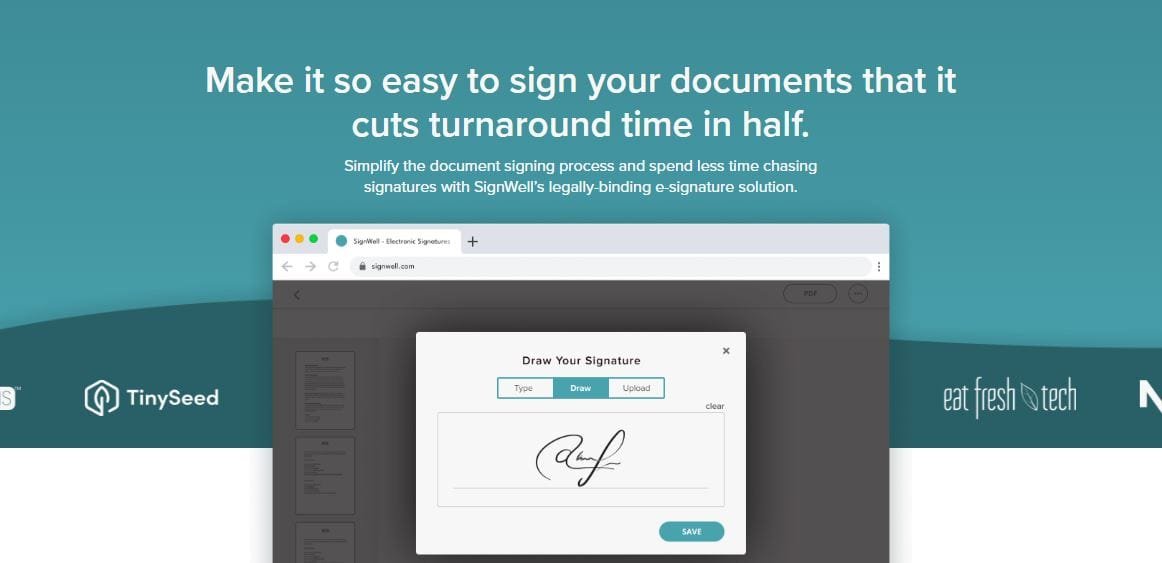
In this section, I’ll walk through the exact steps I use to send and receive consents through SignWell. If you’re a healthcare professional considering SignWell, you’ll find it very intuitive. I’ve also created a detailed Professional PDF Guide that explains each step in even more detail (scroll down to view or download it).

  1. Creating or Uploading Consent Forms
    First, I either create new documents or upload pre-existing templates in SignWell. The platform makes it easy to save these as reusable templates, which is a huge time-saver, especially for consents I often use.
  2. Adding Signature Fields
    After uploading, I add signature fields where needed. SignWell lets me customize fields for patient name, date, and other essentials. The drag-and-drop feature makes it super simple to place fields exactly where I want them.
  3. Sending Documents Securely
    Once everything is set up, I send the consent form to the patient via email. The message they receive includes a direct link to the document, allowing them to review and sign it from their phone or computer—no printing required.
  4. Tracking Document Status
    SignWell’s dashboard gives me a real-time view of document status. I can see who has received, opened, and signed the document. It also sends automatic reminders to patients who haven’t signed yet, which is a feature I can’t imagine doing without!

Professional Guide: Using SignWell to Send and Receive Consents

I’ve created a PDF guide that includes these steps in a visual, step-by-step format for clinic staff or anyone who’s new to SignWell. It covers everything from setting up your account to tracking signed documents, making it easy to implement in any practice.


Benefits We’ve Seen in the Clinic Using SignWell

Incorporating SignWell into our daily routine has made a noticeable difference:

  • Improved Patient Satisfaction: Patients appreciate the convenience. They don’t have to come into the clinic just to sign a form.
  • Enhanced Efficiency: With automated reminders and clear status tracking, we spend less time chasing signatures.
  • Environmentally Friendly: Going digital means less paper waste, which aligns with our clinic’s sustainability goals.

Patient Guide: Simple Steps for Patients to Sign Forms Remotely

To make the process as easy as possible for patients, I provide them with a Patient Guide that walks them through each step of signing remotely. It’s short, straightforward, and shows them exactly what to expect, ensuring they feel comfortable with the process.


Ready to Get Started?

If you’re looking for a way to simplify patient documentation and consents, I highly recommend giving SignWell a try. Not only has it made my practice more efficient, but it’s also made things smoother for patients.

You can check it out and see how it fits into your clinic’s workflow here.


1000447179

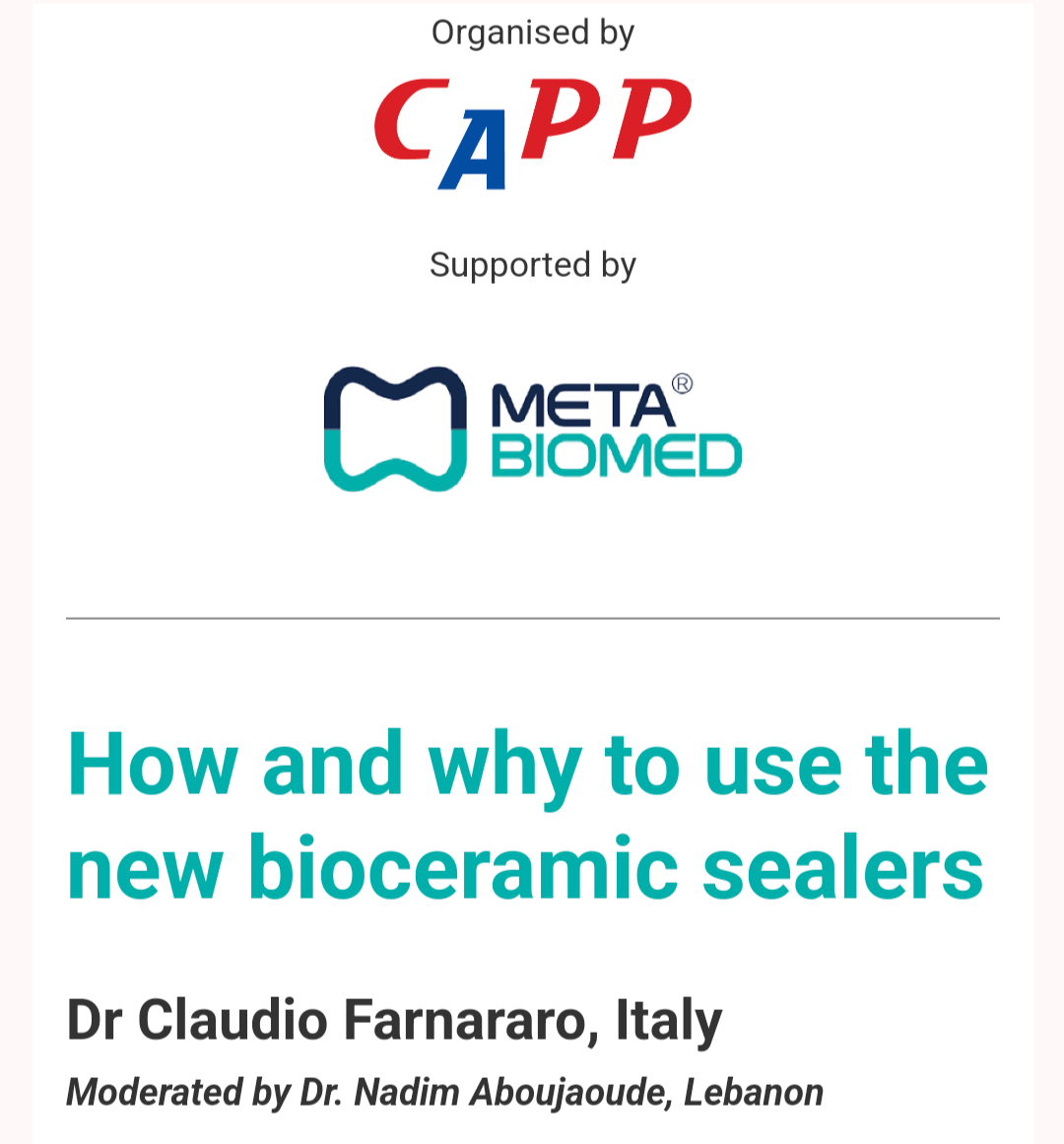
Free CME CAPP Live Webinar – How and why to use the new bioceramic sealers

Date: 09 September 2024 | Monday


Time: 19:00 GST (UAE) | 18:00 KSA | 17:00 CEST


Area of interest: General Dentistry


Teaching method: Didactic lecture, case studies & discussion


Accreditation: Eligible for 1 CE credit


Register : 

1000444974

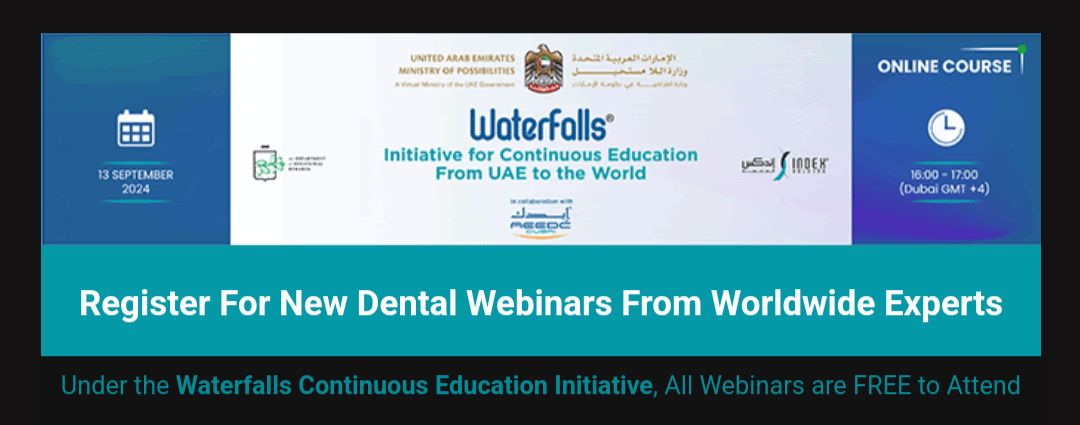
Free CME – Treatment Planning Considerations in Full Arch Implant Rehabilitation

13 September 2024 | 16:00 Hrs – 17:00 Hrs (UAE)


1 CME – ADA, ICHS


Dr. Shiv Prasad Sharma

BDS, MDS OMFS, MSc (UK), MFD RCSI, MFDS RCPSG

Specialist Oral and Maxillofacial Surgeon/ Implantologist

Private Practice – Al Ain (UAE)

Abstract:

Full arch rehabilitation using dental implants is viable treatment option in completely edentulous patients or patients with terminal dentition. It offers our patients benefits from both a functional and aesthetic point of view and promises higher predictability and patient satisfaction. Several criteria need to be fulfilled to achieve a successful outcome. In this presentation I would like to highlight about the background, terminologies associated with the full arch implant rehabilitation procedure and discuss the steps involved in the diagnosis and treatment planning of such complicated cases.

Speaker Bio:

Dr. Shiv Sharma, with over 10 years of experience as a Specialist Oral and Maxillofacial Surgeon, he is passionate about providing high-quality care and enhancing the facial appearance and function of his patients. He has extensive training and expertise in oral surgeries, facial fractures, jaw tumors, facial esthetic procedures, infections, and dental implantology. He is currently practicing at a leading dental clinic in Al Ain that offers a range of advanced and innovative treatments for various oral and facial conditions.

Register below

1000443508

Corporate Catfishing : That Non Existent Job Offers

Corporate catfishing is a growing trend where companies post fake job listings, creating an illusion of growth without any real intention to hire. After applying for one such ghost job, I realized I had wasted time and energy chasing a position that didn’t exist. The experience taught me important lessons: always research the company, trust your instincts, and be wary of vague job descriptions. Now, I focus on companies that invest in their people and communicate transparently. By making smarter choices, I landed a role at a company that truly values its employees—and you can too.

IMG_20240624_091137_770

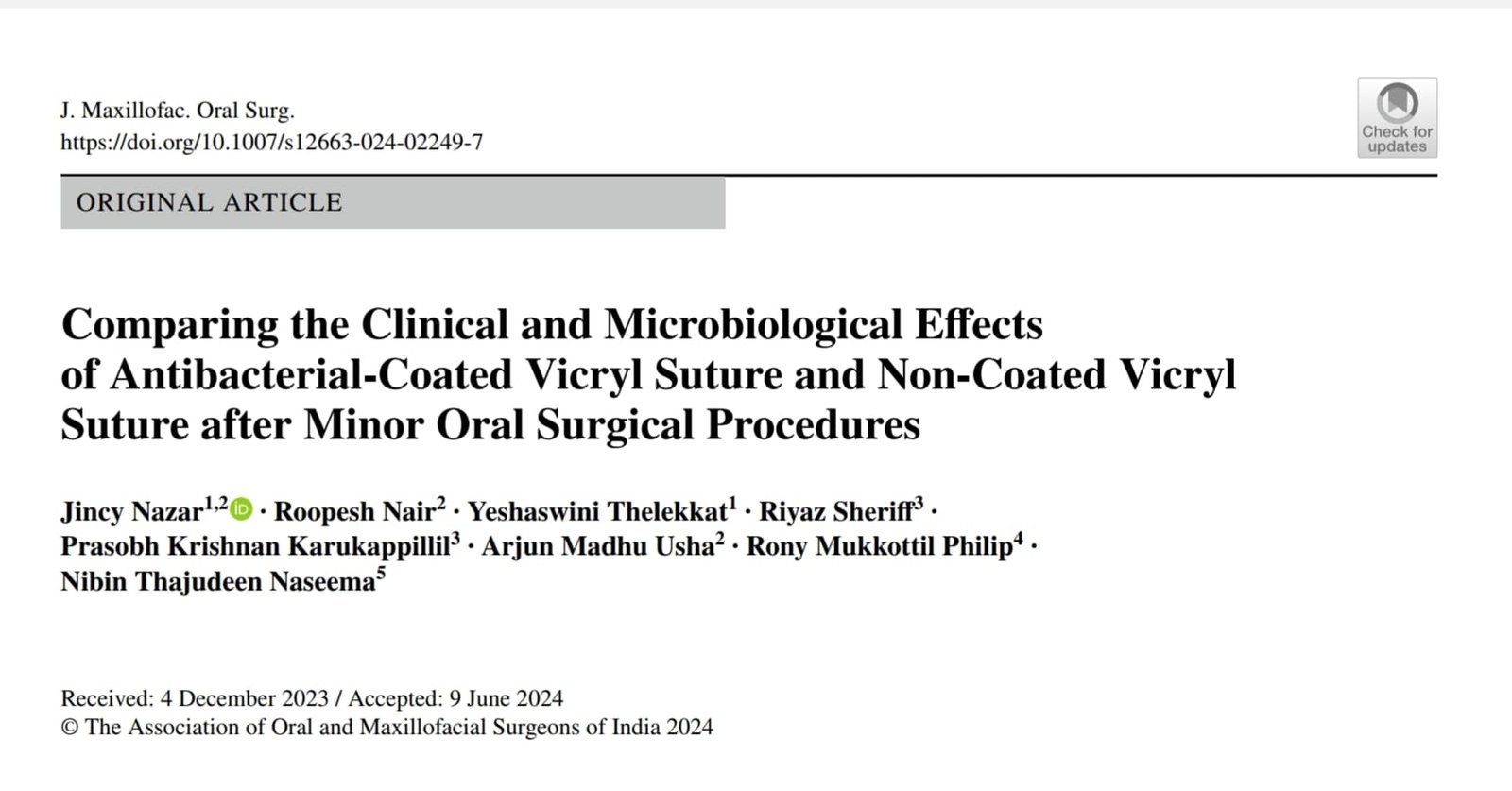
Comparing the Clinical and Microbiological Efects of Antibacterial‑Coated Vicryl Suture and Non‑Coated Vicryl Suture after Minor Oral Surgical Procedures

Surgical site infections are
among the most common nosocomial infections, potentially leading to serious complications after surgical interventions. In intraoral surgical procedures, sutures are exposed to various bacterial species, raising the question of whether antibacterial-coated suture material is benefcial in reducing SSIs. This invitro study aimed to compare the antibacterial efect of Vicryl Plus suture (polyglactin 910 coated with triclosan) and non-coated Vicryl suture by analysing clinical
and microbiological diferences and assessing the isolates
through antibiotic sensitivity testing

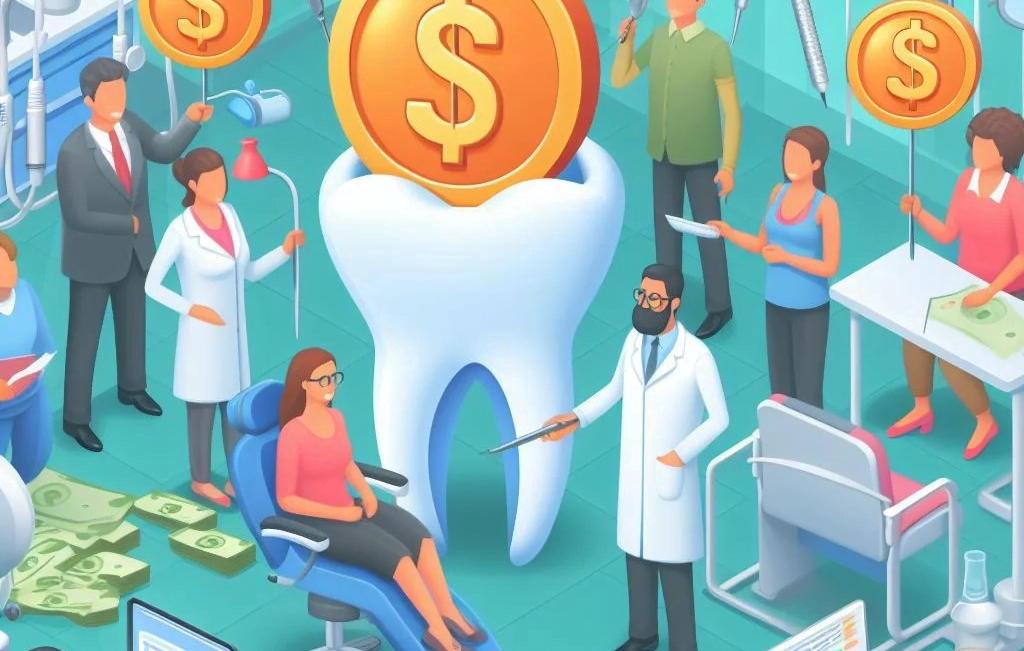
Mastering Negotiations in the Dental Clinic: Applying the Harvard Method

Negotiating for a discount in a dental clinic can be a delicate dance between patient satisfaction and maintaining practice viability. In such situations, leveraging effective negotiation techniques is paramount. Here’s how the principles of the Harvard Method can unlock the secrets to successful negotiations in the dental chair.

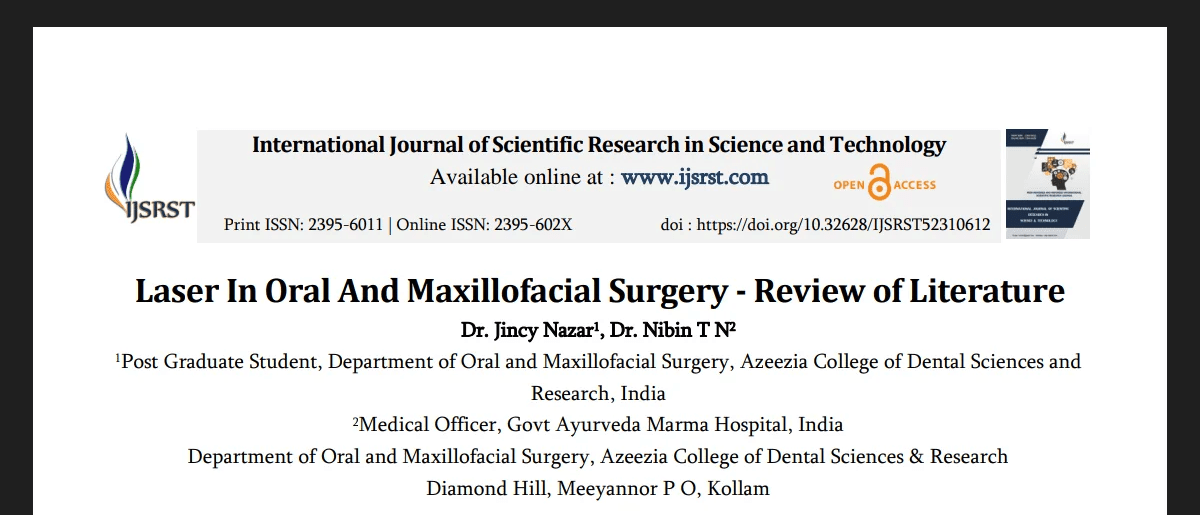
LASER in Oral and Maxillofacial Surgery- Review of literature

Since the advent of lasers, they have found tremendous application in all
fields of science. In recent times, lasers are viewed as an integral part of
many of the surgical and medical practices currently employed. Hence, it
becomes increasingly important to understand the rationale behind the use
of lasers so as to use them efficiently and without undue inhibitions. The
use of lasers in oral and maxillofacial surgery has seen a phenomenal
increase in both, applications of lasers for different techniques, and also the
number of surgeons opting to use them on a regular basis. This article serves
to update practitioners on the development and current applications of
these modern tools in regular practice so as to efficiently perform dental
treatment and minimize complications associated with conventional
techniques.

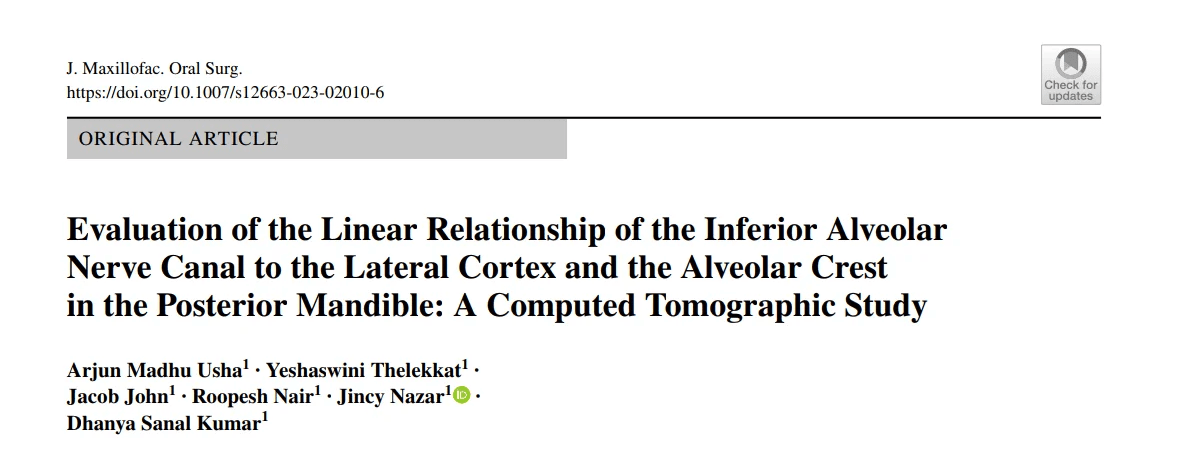
Evaluation of the Linear Relationship of the Inferior Alveolar Nerve Canal to the Lateral Cortex and the Alveolar Crest in the Posterior Mandible: A Computed Tomographic Study.

Background and Objective A cross-sectional study was
conducted to evaluate a clinically relevant position of the
inferior alveolar nerve and canal with respect to the lateral
cortex, alveolar crest, and frst and second molar root apices
in adult dentate patients.
Methods The study was conducted in the patients who
reported various oral and maxillofacial surgical procedures
at the Department of Oral and Maxillofacial Surgery for
whom preoperative computed tomography (CT) scan was
taken for the required surgical procedures. CTs were selected
based on the selection criteria, and a total of 50 CTs were
evaluated. Predictor variables were gender and side. Out-
come variables were the average linear buccal measurements
from the lateral cortex to the outer cortical margin of the
inferior alveolar canal from below the mandibular foramen
till the mental foramen, linear vertical measurements from
the alveolar crest to the superior crest of the inferior alveolar
canal in the third, second and frst molar regions, and linear
vertical distance from the superior aspect of inferior alveolar
canal till the apices of second and third molars. Descriptive
statistics were analysed with t test and paired t test. P value
<0.05 was taken as signifcant.
Results The study sample was composed of 27 male and
23 female patients with a mean age of 29±4.6 years. The
mean value of linear measurements of IAN to the right
lateral cortex at the mandibular foramen was 4.96±1.13,
and for the left side, it was 4.79±1.33. The mean values
of linear measurements from the superior aspect of IAN canal to the alveolar crest at third, second and frst molar
regions obtained in this study were 18.5±3.79, 19+3.83
and 19.5+3.48 for the right side and 17.8+3.86, 18.8+3.54
and 19.143.31 for the left side, respectively. The average
linear measurements of IAN to the root apex of frst molar
were 10.8 3.89 for the right side and 10.868+3.85 for the
left side; for second molars, they were 10.5+3.62 for the
right side and 10.52+3.62 for the left side. Gender and side
infuenced the outcome with varying statistical signifcance.
Conclusion The study has identifed the average linear
measurements of the buccal cortical bone along the path
of IAN in the mandible, average height of alveolar bone
above the IAN and average distance between the IAN with
the frst and second molar root apices. This will be useful
guide while planning and performing various mandibular
surgical procedures close to the IAN nerve and procedures
that can disturb the IAN. The implications of these fndings
will infuence the course of surgery.

Screenshot_20240521-000502

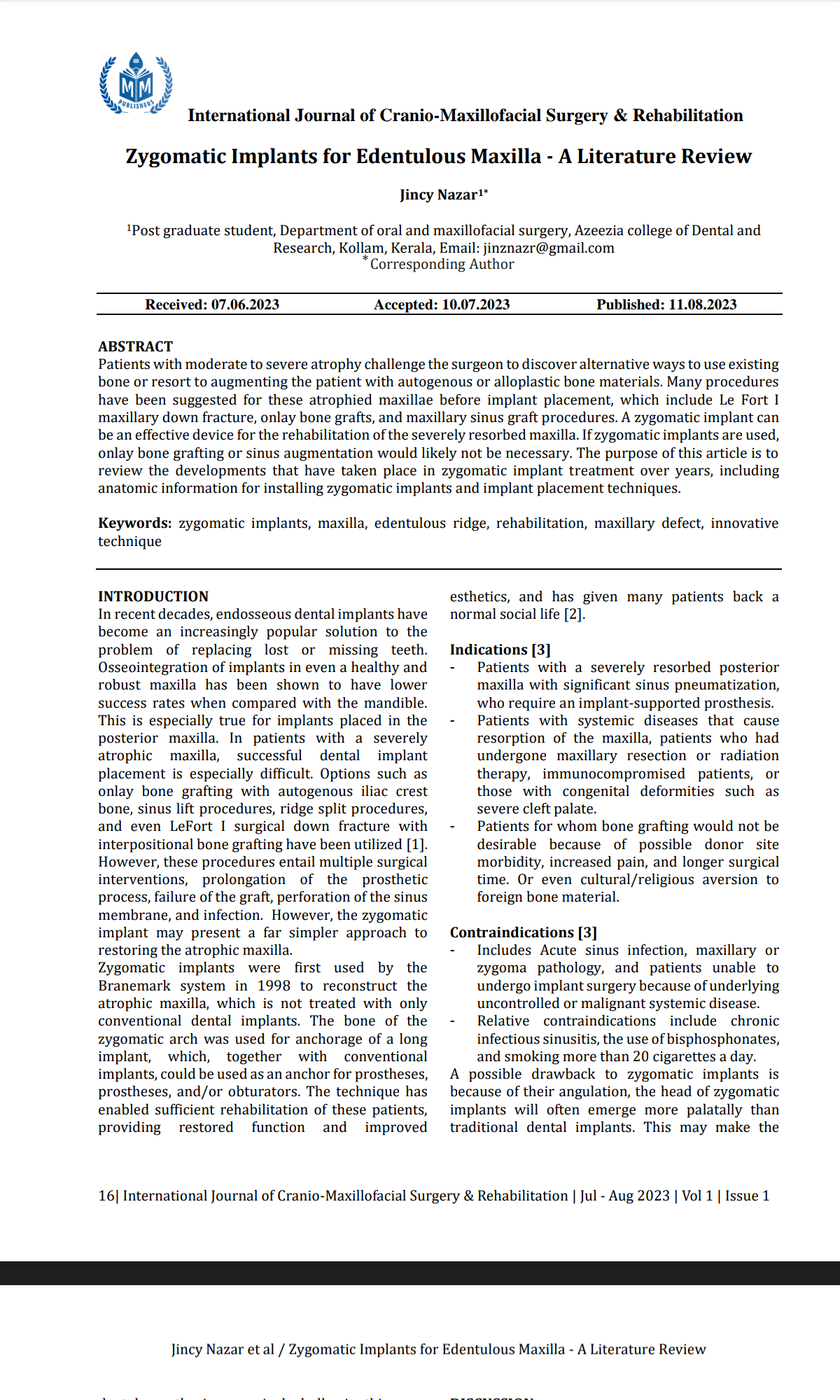
Zygomatic implants for edentulous maxilla- A literature review

Patients with moderate to severe atrophy challenge the surgeon to discover alternative ways to use existing bone or resort to augmenting the patient with autogenous or alloplastic bone materials. Many procedures have been suggested for these atrophied maxillae before implant placement, which include Le Fort I maxillary down fracture, onlay bone grafts, and maxillary sinus graft procedures. A zygomatic implant can be an effective device for the rehabilitation of the severely resorbed maxilla. If zygomatic implants are used,
onlay bone grafting or sinus augmentation would likely not be necessary. The purpose of this article is to review the developments that have taken place in zygomatic implant treatment over years, including anatomic information for installing zygomatic implants and implant placement techniques.

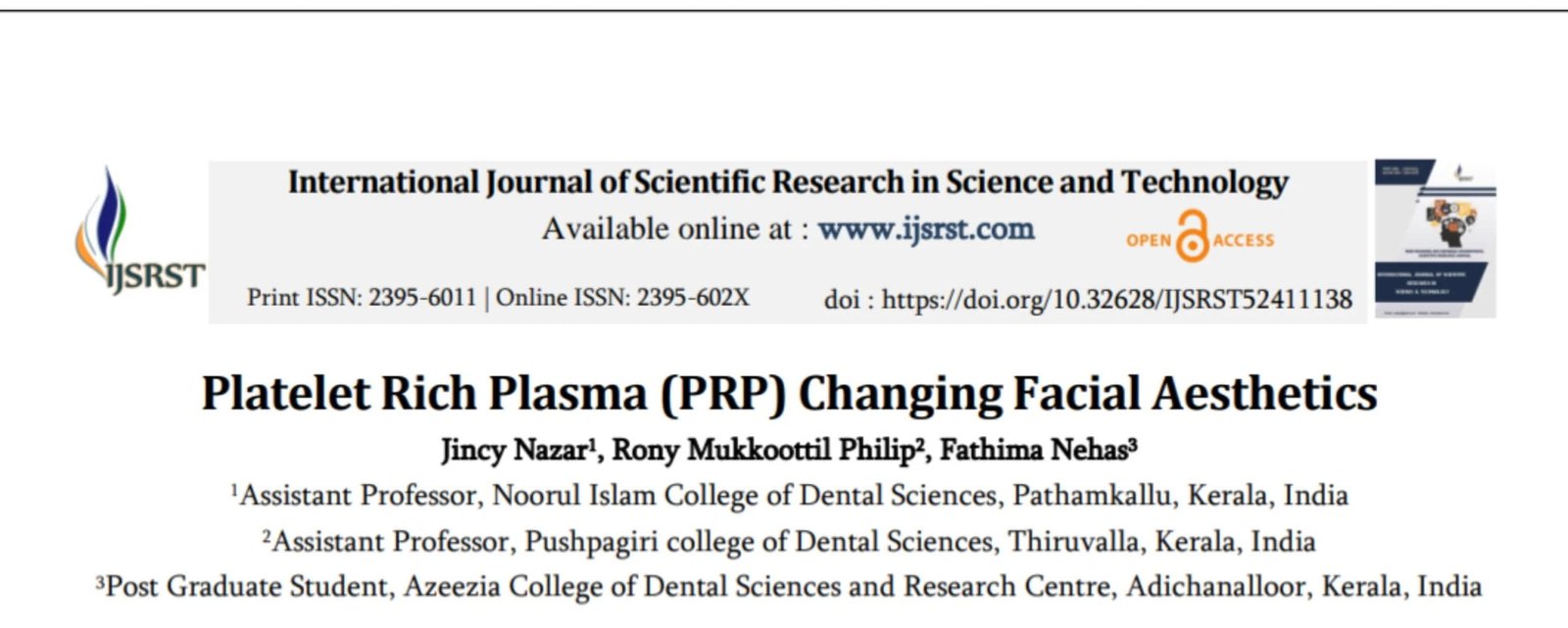
Platelet Rich Plasma (PRP) Changing Facial Aesthetics

Platelet-Rich Plasma (PRP) therapy has emerged as a promising avenue in the realm of facial aesthetics, offering a non-invasive approach to skin rejuvenation and enhancement. In this comprehensive review, we delve into the scientific principles underpinning PRP, elucidating its rich growth factor content and regenerative potential. Our examination extends to recent studies and clinical trials, meticulously analyzing the efficacy of PRP in refining skin texture, diminishing wrinkles, and stimulating collagen synthesis.