.gif)

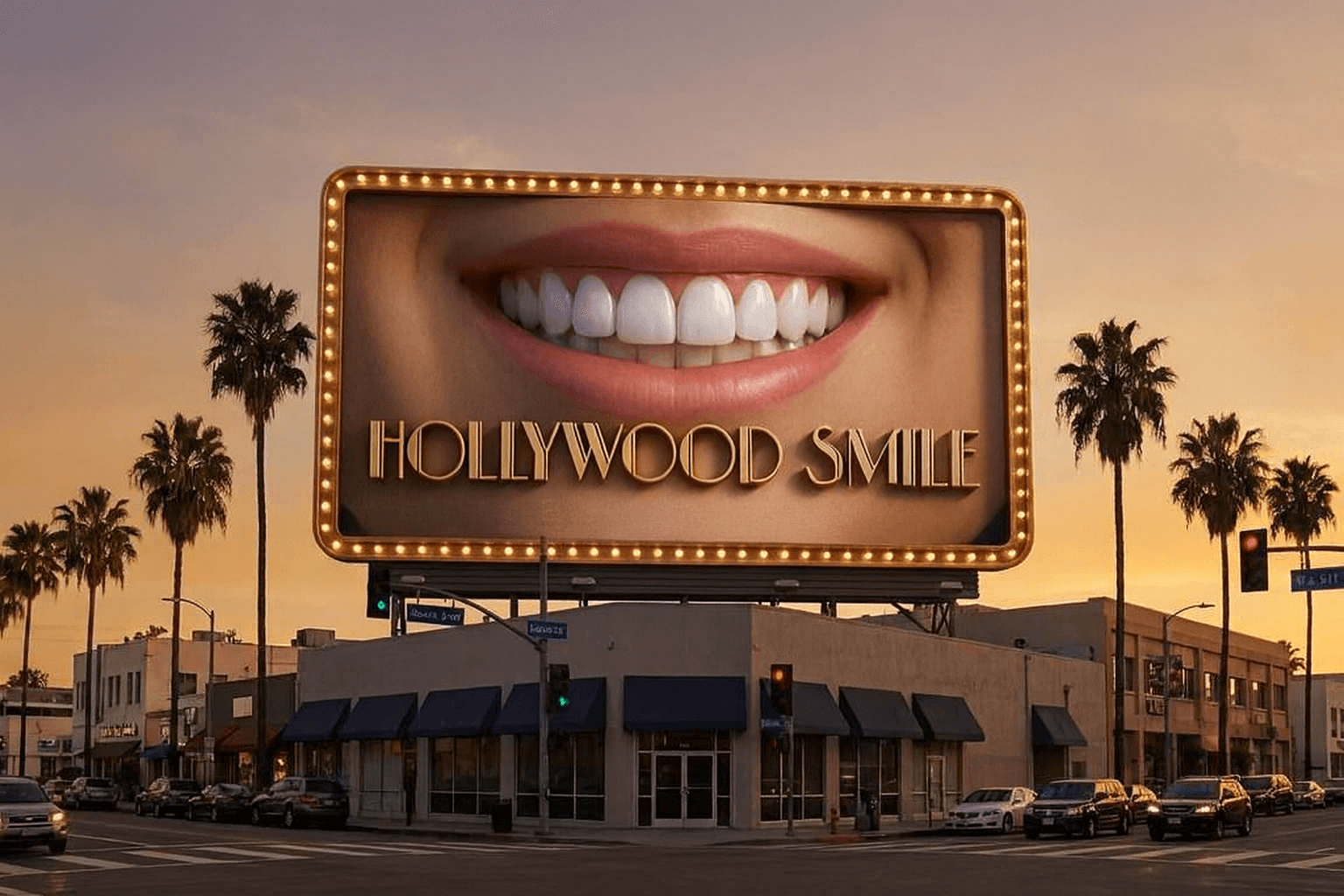
The following summary provides a high-level executive overview of the 4-day smile transformation protocol. This “capsule” version distills the comprehensive clinical workflow into essential strategic pillars, emphasizing digital integration and biological preservation.
Core Philosophy: The Biomimetic Shift
Modern aesthetic dentistry has transitioned from subtractive “mechanical” retention to additive “adhesive” integration. The primary objective is the preservation of natural enamel, which ensures superior bond strength and structural longevity.
Disclaimer: This article is not a substitute for formal training. Always seek professional instruction from qualified experts. Use this content strictly as a revision aid to reinforce certified learning.
The 4-Day Clinical Chronology
The streamlined workflow leverages advanced digital tools to compress traditional 3-week timelines into 96 hours :
- Day 1: Comprehensive Data Synthesis & Smile Architecture
- The initial phase focuses on high-fidelity data acquisition to establish the aesthetic and functional blueprint.1
- Digital Pathway: Implementation of intraoral scanning (IOS) to create a high-resolution 3D mesh and high-definition clinical photography for Digital Smile Design (DSD) simulation.
- Traditional Alternative: Utilization of precision alginate or polyvinyl siloxane (PVS) impressions to establish a physical Master Diagnostic Model (MDM) for laboratory wax-up.
- Common Objectives: Analysis of occlusal vertical dimension (OVD), functional risk assessment (bruxism), and shade mapping to establish baseline and target chroma.
- Day 2: Precision Substrate Preparation & Aesthetic Provisionals
- This stage involves the physical reduction of enamel and the delivery of an interim “test drive” of the final design.
- Preparation Protocols: Controlled enamel reduction (graded at 0.2 mm gingival, 0.5 mm facial, and 1.0 mm incisal) facilitated by 3D-printed rigid PrepGuides (Digital) or silicone putty reduction indices (Traditional).
- Provisionalization (RSVP System): Delivery of Rapid Simplified Veneer Provisionals (RSVP) which utilizes a modified clear matrix to sculpt an ideal emergence profile while avoiding gingival irritation.
- Traditional Alternative: Fabrication of interim restorations using Bis-Acryl based self-cure resins within a prefabricated matrix.
- Day 3: Cyber-Ceramic Engineering & Artistic Synthesis
- While the patient evaluates the aesthetics and phonetics of the provisionals, the laboratory synthesizes the final ceramic units.
- Digital Pathway: Rapid fabrication utilizing CAD/CAM milling of high-strength lithium disilicate or zirconia, followed by expedited sintering cycles for 24-hour turnaround.
- Traditional Alternative: Master ceramist hand-layering of feldspathic porcelain on refractory dies or laboratory wax-up and pressing of lithium disilicate for maximum internal characterization.
- Day 4: Molecular Delivery & Adhesive Sealing
- The final phase involves the permanent integration of the restorations through advanced adhesive chemistry.
- Trial & Decontamination: Verification of marginal fit using try-in pastes, followed by salivary decontamination of the pre-etched ceramic surfaces using 37% phosphoric acid (H3PO4) or alkaline cleaning agents (e.g., Ivoclean).
- Bonding Protocol: Implementation of a multi-step adhesive sequence involving 5-9% hydrofluoric (HF) acid etching of the ceramic, followed by a silane coupling agent and high-strength light-cured resin cementation.
- Functional Protection: Delivery of a custom-fitted, hard acrylic Veneer Guard to insulate the new restorations from nocturnal parafunctional forces.
Biomimetic Preparation Metrics
To maintain maximum bond strength to etched enamel, preparations follow a strict graded reduction logic:
- Gingival Third: 0.1 mm – 0.2 mm (to prevent dentin exposure at the thin cervical margin).
- Middle Third: 0.4 mm – 0.6 mm (to provide volume for shade modification).
- Incisal Edge: 0.7 mm – 1.0 mm (utilizing a butt joint for optimal fracture resistance).
Advanced Adhesive Chemistry
The success of the delivery phase on Day 4 hinges on rigorous decontamination and etching:
- Ceramic Etching: Application of Hydrofluoric (HF) acid to create micro-retentive topography.
- Post-Try-In Decontamination: Use of 37% phosphoric acid (H3PO4) or specialized alkaline cleaners (e.g., Ivoclean) to remove salivary phospholipids and proteins that inhibit the silane bond.
- Chemical Coupling: Application of a Silane primer as a molecular bridge between the inorganic ceramic and the organic resin cement.
Protective Longevity: The Veneer Guard
Given the higher incidence of nocturnal parafunction (bruxism), the delivery of a custom-fitted, hard acrylic Veneer Guard is essential. This appliance acts as a shock absorber, distributing occlusal forces evenly and protecting the brittle ceramic shells from tensile stress.
2025-2026 Strategic Trends
The “Gen Z” patient demographic prioritizes minimally invasive options and digital predictability:
- DSD (Digital Smile Design): Utilizing AI and 3D imaging to co-create and previsualize results before any enamel is removed.
- Biological Integrity: A preference for “ultra-thin” or “no-prep” options that prioritize holistic health and systemic biocompatibility.
- Express Delivery: Integration of 3D printing and on-site CAD/CAM to minimize the duration of the “temporary” phase.


Share your thoughts, Get involved!
Comments